IT Staff Augmentation Services: Get Vetted CVs in 48 Hours
Extend your team on a temporary or permanent basis with reliable IT staff augmentation services. Get the support you need right now, skipping lengthy recruitment time and paperwork. Strike the perfect balance between high-quality code and cost-effectiveness.
Trusted by 150+ companies from startups to enterprises:
{advantages}
Mobilunity Is the Top Choice for IT Staff Augmentation
16+
years in a highly competitive market
300+
experts on Mobilunity’s team at your service
4.2
years of average partnership duration
1000+
tech experts hired for our clients
3-6
weeks on average to launch a skilled team
93%
of our developers complete probation
25% Shorter Timeline to Achieve Project Goals
Get a talent solution to quickly scale up your team, whenever you to meet the project timeline or fill a skill gap. Streamline the recruitment process, retaining management control. Scale down as needed.
50% Budget Savings on Average
Having worked for over a decade in a truly competitive environment, we can give the best price for quality. This helps our clients cut hiring and development costs by up to 50% on average. The result is effective budget optimization.
5x Faster Hiring with Global Reach
Access the top-tier skills needed to complete specific work for your project through an IT staffing company. Get and retain rare hard-to-find engineers. We’ve been carefully selecting them from the most popular offshore and nearshore locations across the globe.
150+ Sets of Tailored Processes
Easily adapt to project workload and сhanging requirements. We operate with experience of building over 150 teams with processes uniquely tailored to each client case and individual needs; it’s an agility level many companies choose us for over outsourcing.
{feedbacks}
What Our Clients Say
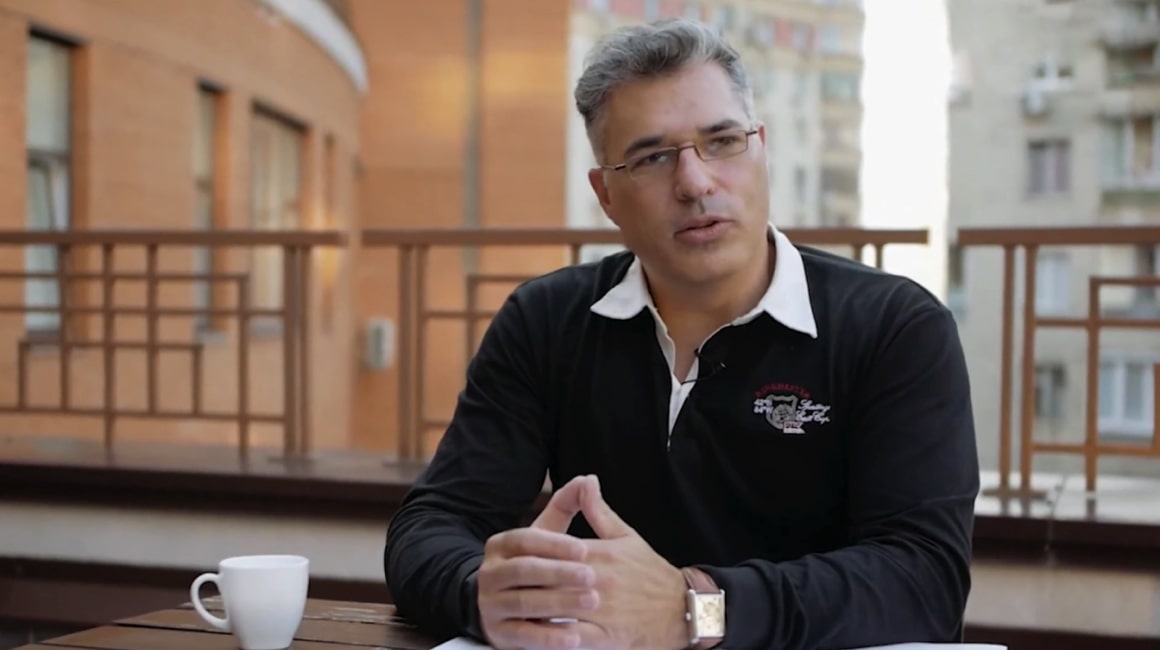
We tried to hire devs in Switzerland for a very long time. We were lucky to find Mobilunity who recruited and hosts our nearshoring dev team in Kyiv. We are very grateful that we have a partner who meets our tight scaling goals.
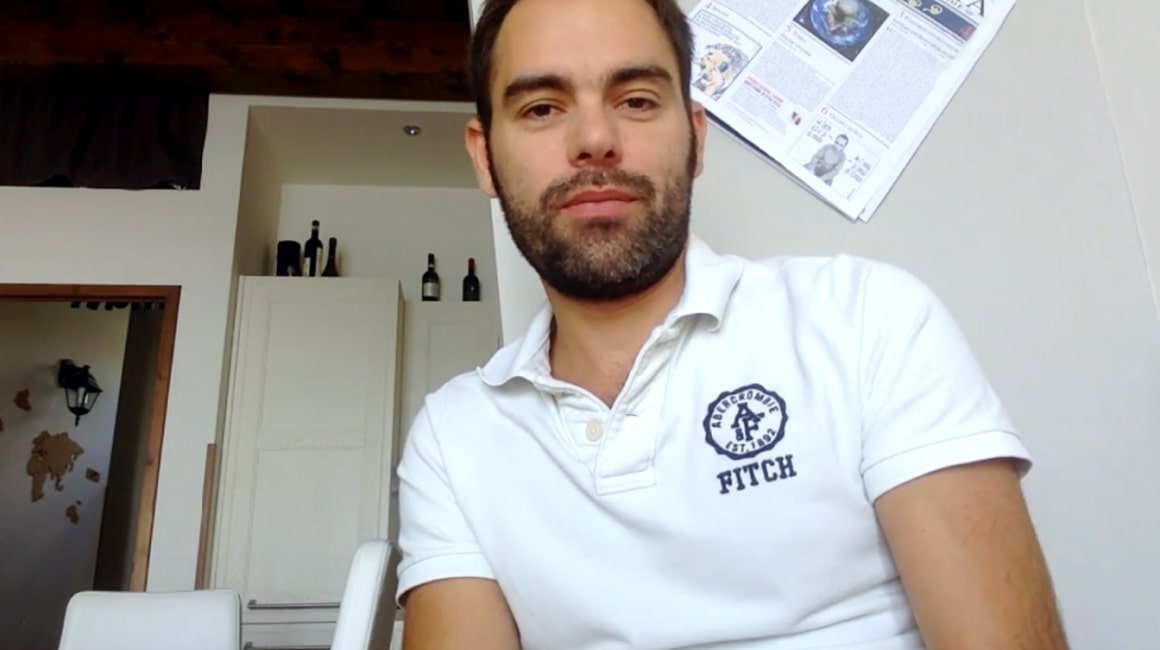
Our problem was is that we wanted to develop a new application and we didn't have the resources. So we contacted Mobilunity to try to be able to develop this application with external resources.
At the very beginning, we were looking for a mobile development firm. We were specifically looking for vendors that we could trust. That's definitely what we found when we were working with Mobilunity.
Honestly, the Klevu Ukraine team set a new bar for us. Even through the hardest times Ukraine has faced, their resilience was, in a word, outstanding. And this dedication not only contributed to the success of our projects but also highlighted the bond in our partnership during difficult circumstances.
When one of our development team members passed away unexpectedly, and the release timeline was looming, Mobilunity was able—within days—to provide a full-time resource to pick up the work where it was. The entire process was highly professional, and needless to say, the gentleman is still on our team, and we added more resources from Mobilunity to our team. Working with Mobilunity technically and personally has been, and continues to be, a great pleasure.
Mobilunity takes a lot of weight off my shoulders by taking care of such HR things, such as employee mental health checks, performance appraisals, work anniversary & Birthday reminders, and actual goodies delivery. Those may sound like tiny things. But we all understand their huge value to the employees. It’s reassuring to know that someone close by is attentive to our team.
{steps of hiring}
Staff Augmentation Process With Mobilunity
{ Stage 1 }
Kick-off
As a staff augmentation services provider, we sign a contract covering your needs and our commitments. Tell us about your IT staff augmentation needs and global expectations. Choose the best fit for your project, along with the team composition and budget.
{ Stage 2 }
Interviewing
Once our pre-vetted candidates are in front of you, it’s time to move on to online interviews. It’s only up to you to decide which software development experts augment development team.
{ Stage 3 }
Onboarding
Now we start onboarding the new members of your augmented team, facilitating transparent communication and quick integration for both parties.
{ Stage 4 }
Support & Retention
After allocating your new development experts, we handle talent motivation, performance, and retention. Now you can focus on the core operations of your project and stay flexible.
More Benefits of IT Staff Augmentation Services by Mobilunity
AI-Ready Teams, Built for the Future
We build AI-oriented teams. Hiring engineers, architects, and other specialists knowledgeable in artificial intelligence and machine learning, Mobilunity’s IT staffing services source talent that is current, not just available. Whether you need to bring a specialist to integrate an LLM into an existing project or create an AI-based solution, we work with a global pool of curious and thriving experts who can contribute to your vision.
Strong Product Ownership Through the 3R Approach
Recruitment, retention, and relationships are the pillars of our operation. It’s not about just filling a seat. We ensure the developers we place are the right fit from day one, stay engaged and motivated for the duration, and operate as a genuine extension of your team. You retain full product ownership and technical control.
Lower Administrative Burden
Eliminate the lion’s share of the administrative burden with our IT staff augmentation services. Save on equipment, software, and infrastructure costs. Using our back-office team, you can release additional financial resources to focus on what matters most. Your core project activities.
Focus on Core Business
Use professional IT staffing solutions to increase your team’s capabilities by bringing in skilled developers who seamlessly integrate with your in-house team. Leverage professional services by Mobilunity. While we set everything up, you sit back and focus on the core business.
Increased Efficiency
Boost your project efficiency by engaging the best-in-class software development specialists through our technology staff augmentation services, each with a unique skill set and the expertise you need. Make development affordable and accelerate growth by adding extra resources, right when and where you want them.
Risk Mitigation
Reduce turnover risks with a reliable staff augmentation provider. We supply and support the best talents to serve your project, keeping a close eye on your critical knowledge and specific skill set, staying within the existing team as long as you need them.
Business Continuity
Keep your augmented development team set up and running as long as necessary. We will help you ensure continuity and retention, preserving the consistency of your operations and effectively maintaining your project(s) without disruption.
Our Rate Includes
The rate for staff augmentation services includes all essential amenities and services to ensure a comfortable, hassle-free experience.
Discover our internal crew of our staff augmentation services, their roles and responsibilities. These people will help you build a strong team and ensure transparent communication.
01
Recruiter
When it comes to getting software development staff augmentation candidates, our recruiters come into play. They will find the best candidates and bring them to you.
02
Resource Manager
Retaining and improving your tech resources. This is what our staff augmentation company resource managers do. Additionally, they handle all administrative and HR tasks so that you don’t have to.
03
Account Manager
Serving as the primary points of contact between you and our staff augmentation services, our account managers provide all-around support. They ensure everybody is on the same page and support seamless communication.
Canadian FinTech Company Finds Remote CTO in Ukraine
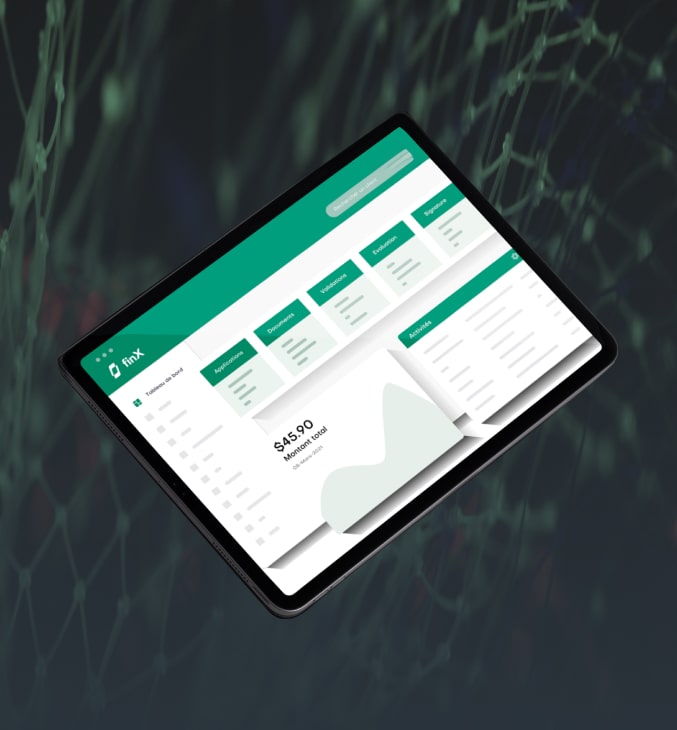
Looking to cover the leading tech side of their popular industry solution, FinExpert successfully hired a CTO based in Ukraine. Mobilunity helped the client take responsibility for the product’s architecture and scalability, eventually establishing strong connections that led to several years of partnership.
European Restaurant Reservation Gets Dedicated Resources
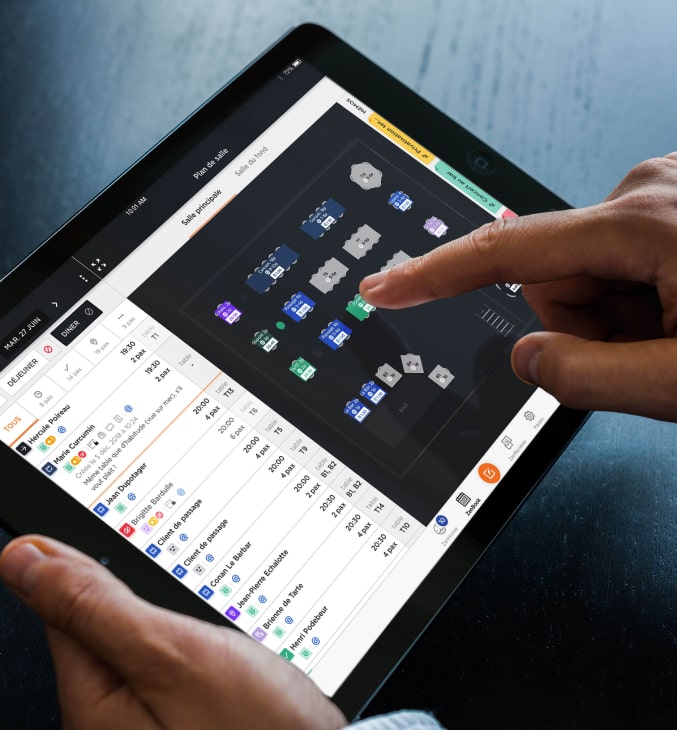
Navigating the challenges of local labor laws and the high cost of hiring, Zenchef found a perfect nearshoring solution with Mobilunity. A leading online restaurant reservation service for their in-house team, reinforced with our dedicated experts, running an urgent hire into a long-term collaboration.
Providing a Swiss Insurance Broker with Dedicated Developers
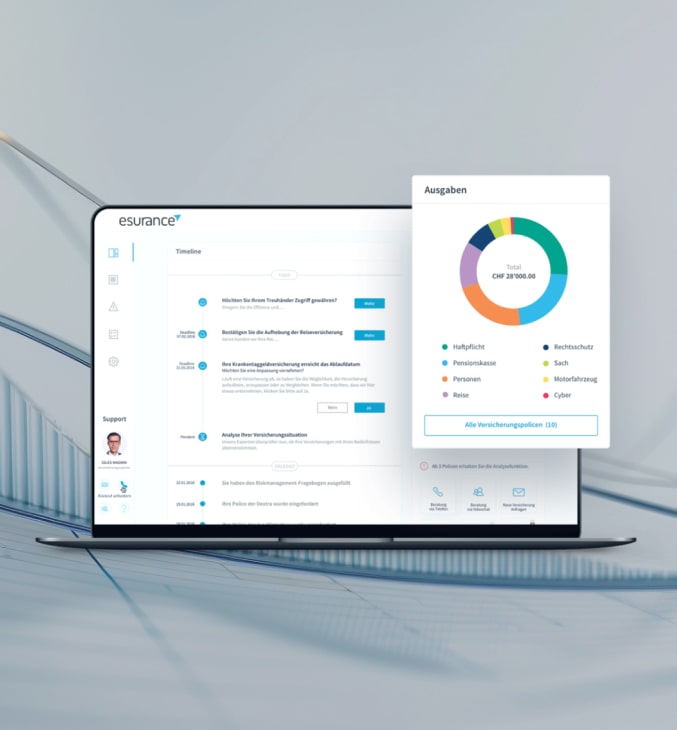
After trying to hire locally in Switzerland, a successful insurance company was lucky to find us to host a nearshoring dev team and advance their platform beyond its original scope. Mobilunity provided the insurance team with QA and web development specialists, making a cost-effective team extension.
Extending In-House Tech Team for GIS Software Provider
Coming to us after a negative experience with outsourcing vendors, a famous European provider of geospatial solutions boosted their in-house team with our remote developers. Today, Mobilunity continues to develop new features, maintain the framework, and expand ERP functionality for Camptocamp.
IT Staff Augmentation Services for eCommerce in Construction
Facing the need to maintain a complex trading system with comprehensive documentation for the construction industry, BYG-E had our team extension service as a natural augmentation of their local staff in Denmark. Eventually, a successful software vendor committed up to 50% of the work to Mobilunity.
Explore how staff augmentation can help you meet your goals and take your business to the next level.
FAQ on IT Staff Augmentation Services
How Fast Can We Receive Vetted Developer CVs After Submitting Requirements?
With our IT staffing company, you can expect a developer on your team in a couple of weeks. If you’re looking for a dedicated team, the usual timeframe is 2-4 weeks to get the unit up and running, but we can negotiate estimates that are more relevant to your requirements.
How Do You Ensure Developers Match Our Tech Stack and Team Culture?
With over 15 years of experience in IT staffing services, we have polished a good system for spotting talent and matching it with businesses. We assess their soft skills and culture fit. We can also help you with technical interviewing to ensure you get quality, active, and thriving engineers.
Can Augmented Developers Fully Integrate With an Internal Development Team?
Yes. We closely cooperate with your new team members, ensuring cultural integration, setting regular and smooth check-ins, removing potential communication barriers, and aligning the development flow with your internal operations. Once onboarding and integration of your new team members is done, we keep an eye on your project. We provide continuous support and personal maintenance. This includes performance monitoring, consultancy, and admin management.
What Happens if You Need to Replace a Developer During a Project?
Just that. If you have to let a specialist go during the trial period, we’ll replace the developer. Of course, it’s in our best interest that this doesn’t happen, for both sides. This is why we do rigorous interviewing. But there are options.
Can We Scale a Remote Development Team Up or Down Anytime?
Software development staff augmentation is designed in a way that you can scale up and down as needed. So when the need for IT team augmentation runs out, the contract ends, and you turn to your usual setup.
Mobilunity provides an excellent and efficient tech talent service. All my staffing requests, even for niche technologies, were fulfilled in a 2 to 4-week time period, with top-notch candidates. Besides that, I like the caring environment that the Mobilunity team provides for the developers and ensures that everybody is able to work without distractions. I strongly recommend Mobilunity as a tech talent partner!